
Market Research
customers, competitors, markets and context so organisations can make better-informed decisions. It typically combines secondary sources such as official statistics with primary methods such as

customers, competitors, markets and context so organisations can make better-informed decisions. It typically combines secondary sources such as official statistics with primary methods such as

Consumer insights in marketing are evidence-based understandings of why people notice, choose, use or reject products and brands. They help UK marketing teams move beyond
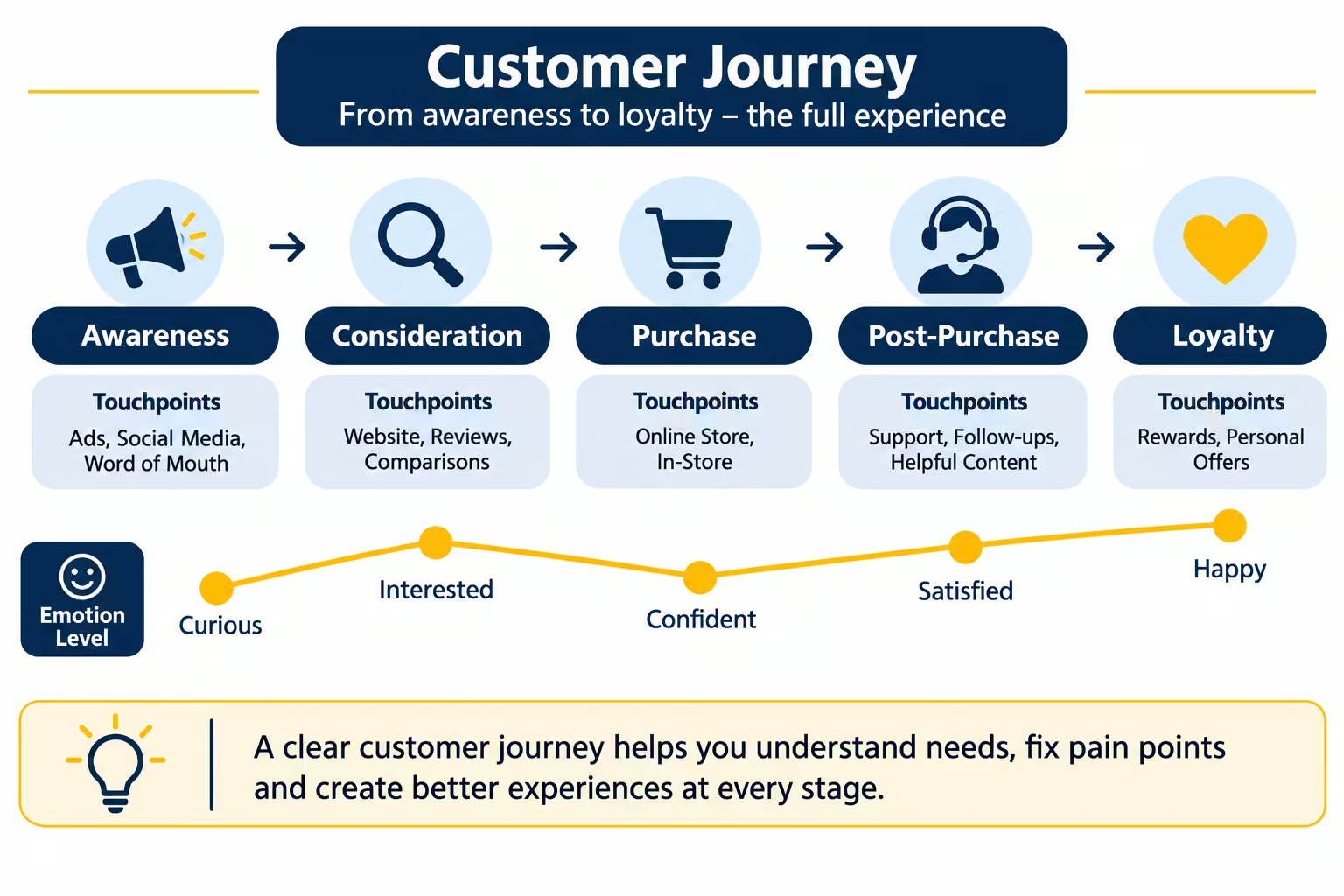
Customer journey analysis examines the end-to-end path customers take when interacting with a brand, product or service. It combines research evidence on stages, touchpoints, emotions
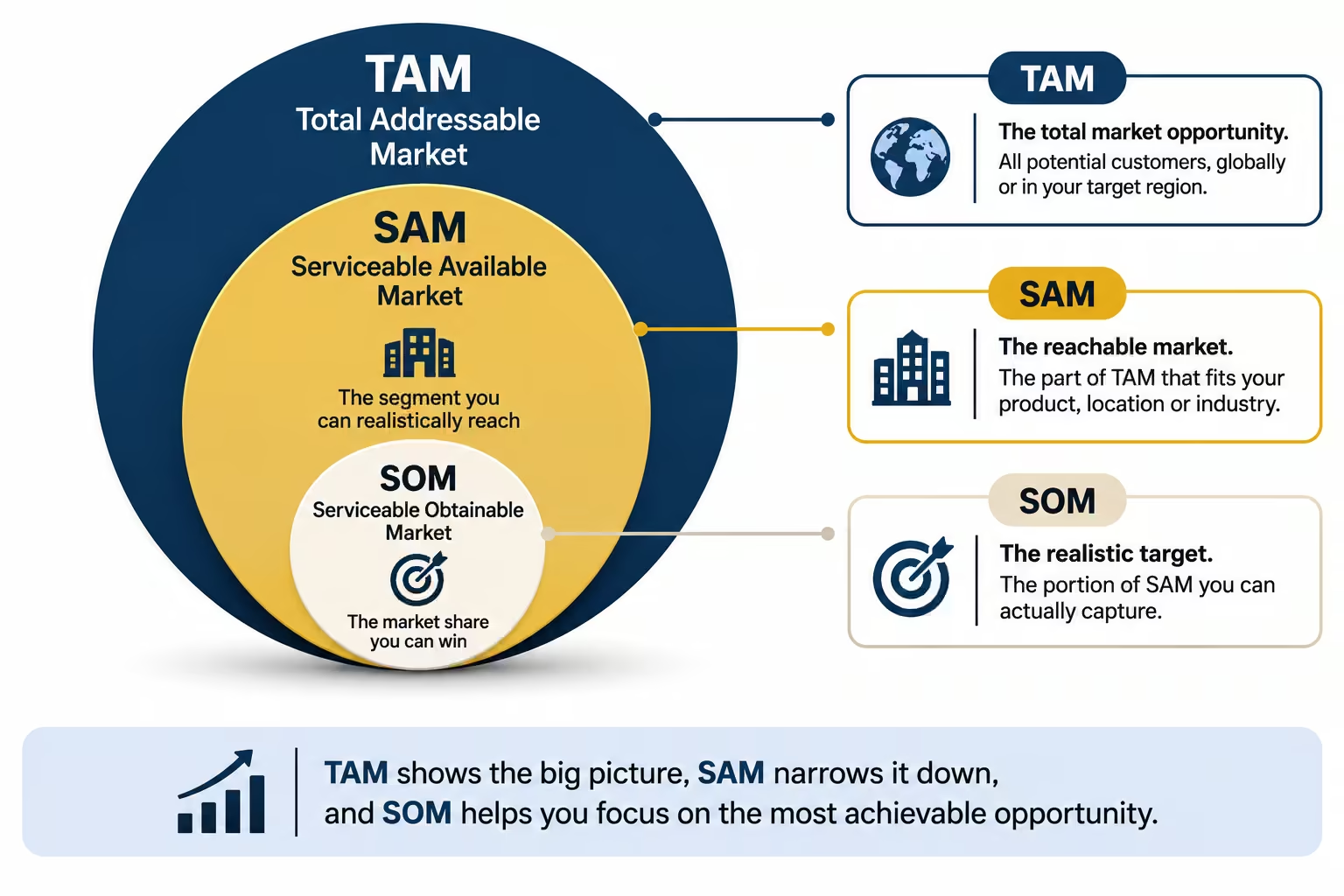
Market sizing analysis estimates the revenue opportunity available in a market so organisations can judge whether an opportunity is large enough, which parts are reachable,
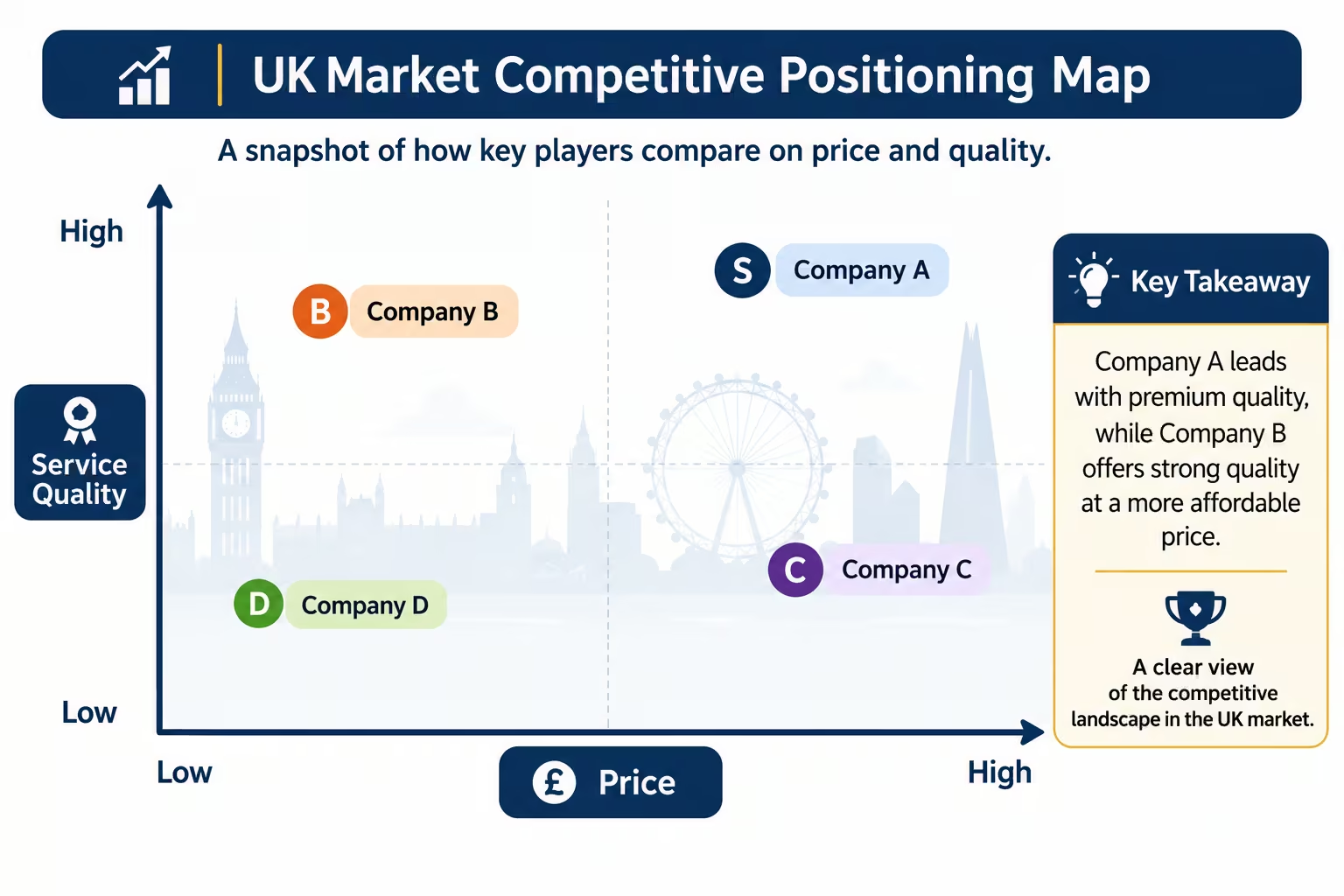
A competitive landscape assessment maps the direct and indirect competitors a UK business actually faces, their strengths, positioning and gaps. It helps teams decide where
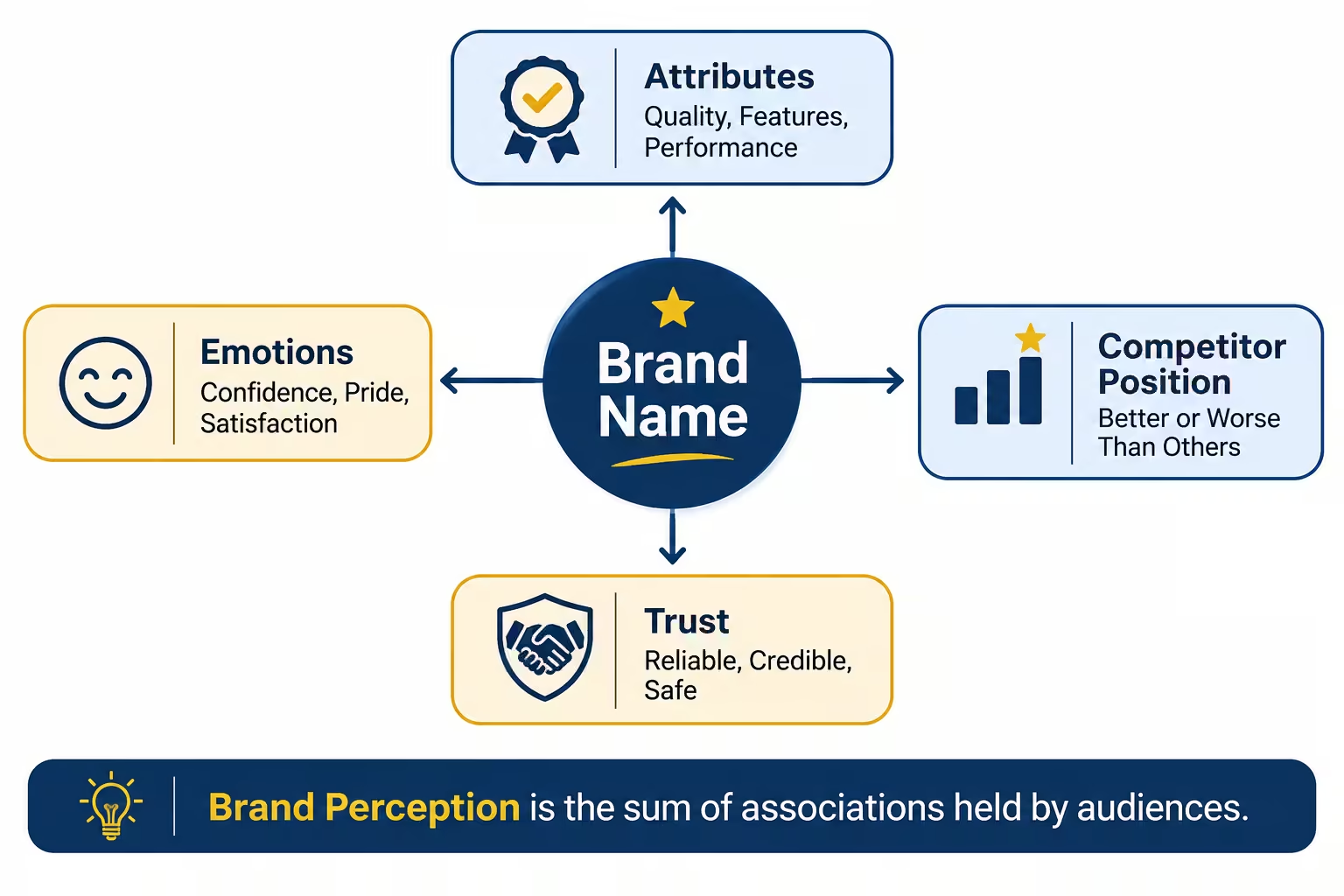
Brand perception research measures how a defined audience actually sees, describes and feels about a brand based on their experiences and associations, rather than on
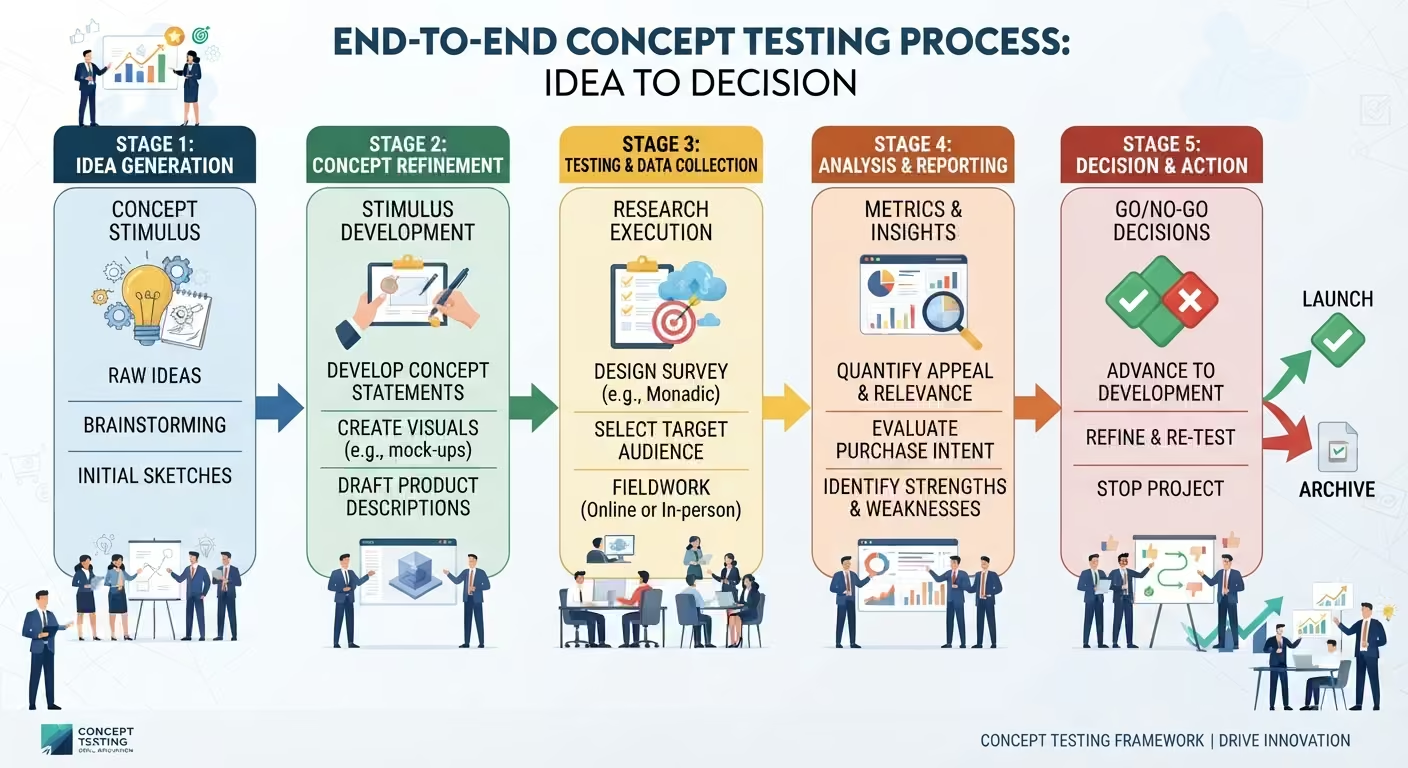
Product concept testing is the structured evaluation of a new product idea with target customers before significant development or launch investment. It shows whether people

Choosing the right market research services starts with the business decision the work must inform, not with a preferred method or supplier size. A clear
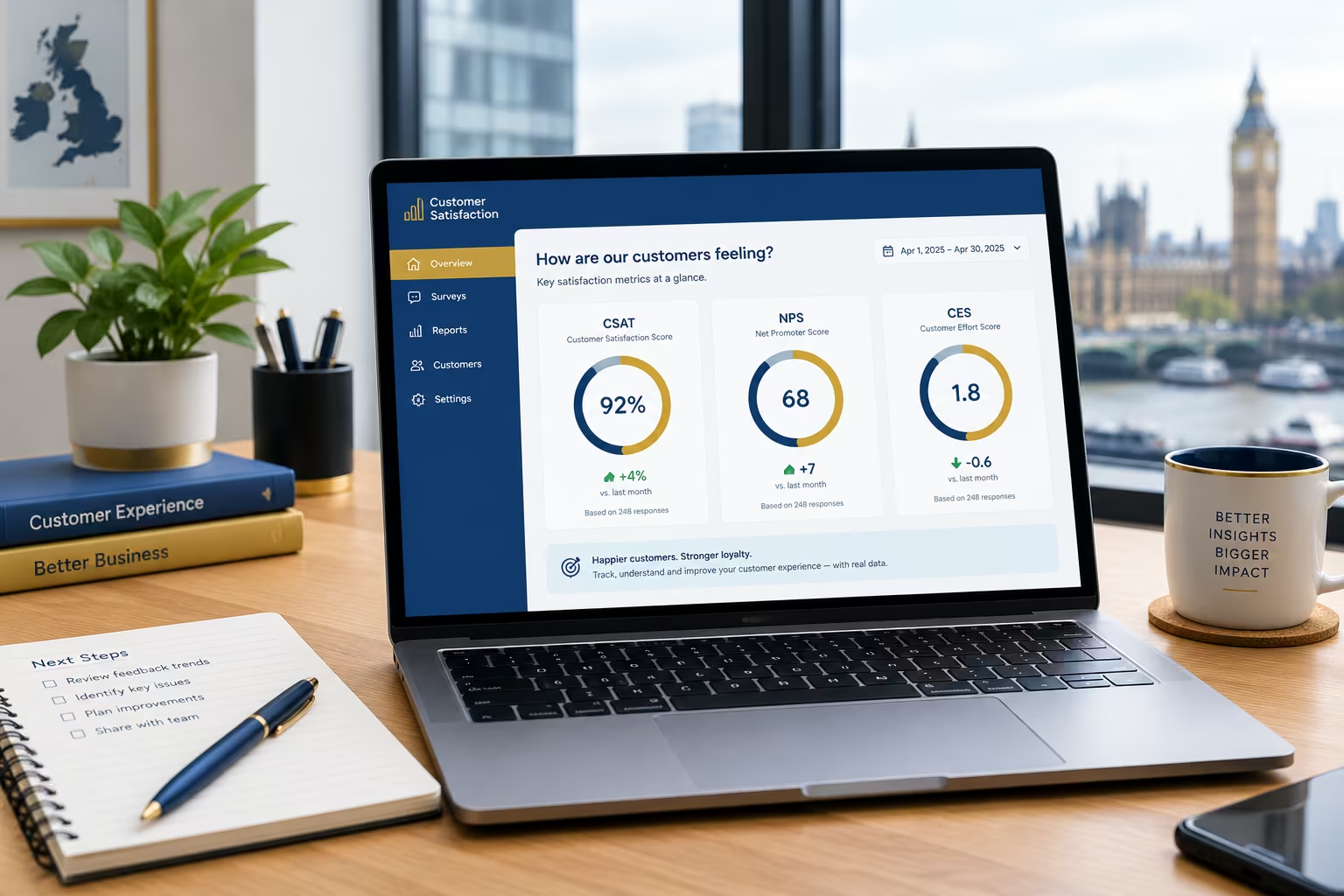
Customer satisfaction measurement is the structured process of collecting and analysing feedback so organisations can understand how customers feel about products, services and interactions. The
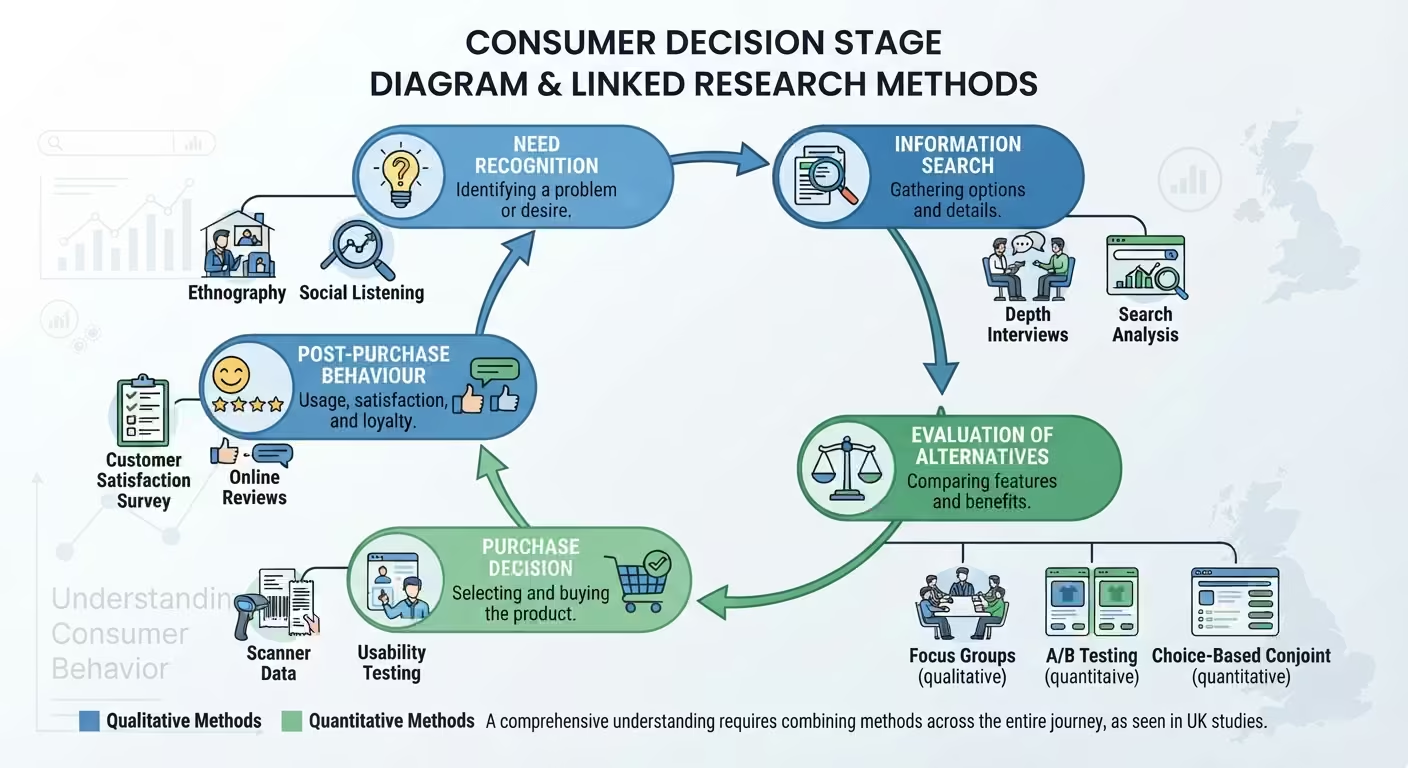
Consumer behaviour research examines why and how people notice, choose, buy and use products or services. It combines qualitative and quantitative methods to reveal motivations,